
According to Gartner, 81% of HR executives are rethinking performance management, and 95% of managers feel dissatisfied with traditional approaches. For frontline-heavy industries like hospitality, retail, manufacturing, healthcare, and logistics, the shift has been even more dramatic. Old processes built for desk workers don’t fit the fast-moving, high-volume nature of frontline work.
As frontline teams become more distributed and harder to reach through email or desktop systems, performance management needs to adapt. Modern tools now support real-time communication, mobile-first access, and insights that help managers better recognize and develop their frontline people.
Below is a deep dive into how performance management tools support the frontline, the features that matter most, and the top categories of tools to explore.
At its core, performance management is the methodical process of determining performance measures for employees within a company. All organizational goals are secured through the evaluation and interaction chain that runs across departments between supervisors and the employees they supervise.
The outdated once-a-year review is fading. Today’s frontline teams require frequent, lightweight check-ins that help managers quickly address issues, reinforce safe and productive behaviors, and celebrate wins. With staffing shortages, schedule challenges, and high turnover, frontline supervisors are already stretched.
Performance tools help them stay connected to their teams, set clear KPIs, and keep work moving without constant manual oversight.

71% of workers are more enthusiastic and invested at work if they think their manager can recognize their strengths. For frontline workers, acknowledgment and clear expectations directly influence morale, safety, and customer experience. Here’s how modern performance tools support those outcomes.
Frontline employees often have limited visibility to big-picture goals. Performance tools bring clarity by connecting daily tasks with company outcomes. When frontline workers understand how their actions move the business forward, motivation and ownership increase.
Conducting performance reviews can sometimes be laborious and time-consuming. However, employee performance management solutions simplify this procedure by automating several performance evaluation components, like goal monitoring.
Managers and HR specialists not only save time thanks to this efficiency, but it also guarantees more consistent performance assessments. Organizations can carry out assessments more successfully for staff development.
The typical review procedure does not provide an in-depth assessment of employee performance.
However, data collection is made possible by performance management tools such as 360-degree feedback, which are accessible all year long. These provide management with a far more thorough understanding of the employee’s real productivity.
Managers are more capable of determining the workers who are most qualified for promotions, pay increases, or even transfers, as they can accurately assess their long-term performance.
Every employee enjoys hearing that they are doing a wonderful job. Performance assessments are a great approach to finding people who are exceptional and deserving of recognition.
Reviews should not be merely used to establish goals for the upcoming quarter. Rather, it should be viewed as a way for direct supervisors to identify team members who are actually contributing.
Ensuring your staff are satisfied is crucial to their productivity. Employees who receive monthly recognition are 22% more likely to be strongly devoted to their jobs and 36% more inclined to report being interested and efficient.
Hence, frequent performance evaluations and feedback play a bigger role in boosting employee morale.
Frontline turnover is one of the biggest challenges organizations face. Many frontline workers want clearer expectations, more feedback, and defined growth opportunities. Performance tools make this possible by capturing goals, identifying development needs, and addressing issues before employees disengage.
A strong performance management approach that centers on appreciation and development directly contributes to retention and stability.
For frontline workforces, performance management must be mobile, simple, and accessible to everyone not just office employees. Consider these essentials:
Easy-to-Use Interface
Frontline workers and supervisors should be able to access tools from their phones, without complicated login processes.
Customization for Diverse Roles
Frontline teams include part-time, seasonal, shift-based, and specialized workers. Tools should adapt to varied job types.
Personal Growth Plans
Clear career pathways are crucial for retaining frontline employees who want future opportunities.
KPIs and Performance Indicators
Metrics like attendance, safety compliance, productivity, quality scores, or customer service ratings help track frontline success.
Seamless Integration
Tools should work smoothly with existing communication, scheduling, or HR systems especially mobile-first platforms like theemployeeapp.
Managers spend approximately 210 hours annually on performance management. However, with the ideal performance management tools, businesses can save time and boost efficiency.
Here, we have listed the popular employee performance tools that can help your organization achieve increased productivity.
Performance Appraisal Software is a digital tool designed to facilitate the evaluation and management of employee performance within an organization.
It streamlines the performance appraisal process by tracking employee progress. These key features set the tone for top-notch employee productivity.
A form of evaluation known as “360 Degree Feedback” allows staff members to get anonymous, confidential input from their coworkers. Usually, this comprises peers, managers, and direct reports.
Goal-setting and OKR (Objectives and Key Results) tools are essential for aligning individual and organizational goals. These tools streamline setting clear objectives and track progress toward key results.
These are performance management indicators that provide daily feedback and promote real-time improvement.
A culture of performance recommendations is implemented concurrently with a system of continual feedback. The whole procedure prioritizes equity and streamlines the review procedure by focusing on:

An employee engagement survey measures an employee’s commitment, drive, feeling of intent, and excitement for their work and employers.
It evaluates how workers view their jobs, the corporate culture, and leadership to determine whether or not they are in line with the objectives of the organization.
Some of the key attributes of engagement surveys are:
An online tool or software program used to organize, carry out, and evaluate a particular learning activity is called a learning management system (LMS).
An LMS’s most popular configuration includes a user interface (UI) and a server that handles the fundamental functions.
LMS can facilitate employee performance management in several ways:
A quick and frequent series of digital questions known as “pulse surveys” are distributed to staff members as engagement tests. They portray issues about professional functions, interpersonal interactions, workplace relationships, the culture and setting, etc. The phrase “pulse” refers to the ongoing nature of these employee feedback surveys.

Some of the key features of Pulse Surveys are:
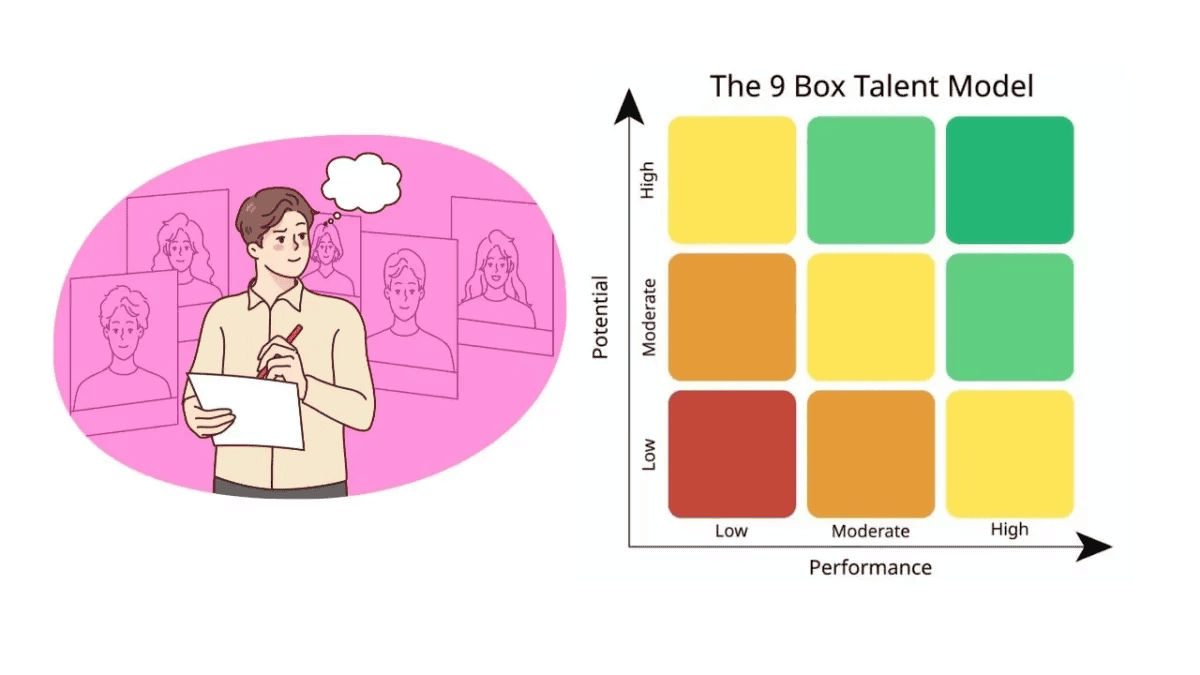
The performance management tool to better prepare for transition and find the next generation of leaders in the company.
Employee performance is categorized using a nine-box grid based on their achievements and skill sets. It also evaluates every individual’s capacity for development.
Here are the key features of the 9-box grid:
Frontline organizations thrive when employees know what’s expected of them, receive regular recognition, and have a clear view of their growth opportunities.
Effective performance management tools help create that clarity by improving communication, strengthening manager–employee connections, and supporting continuous development across shifts and locations.
When these systems are accessible and consistent, they contribute to a more engaged, productive, and stable frontline workforce.
Next-gen performance tools are mobile-first platforms built for the realities of frontline work. They help supervisors track performance, share updates, and coach employees who aren’t sitting at computers all day. These tools make it easier to deliver ongoing feedback, gather insights, and support development across busy shifts and multiple locations.
Frontline teams often work different schedules, across different sites, with limited access to traditional communication channels. Performance tools bridge that gap by giving managers real-time visibility into attendance, task completion, safety behaviors, and productivity. This enables faster decision-making, more consistent coaching, and smoother operations—no matter where employees are working.
For frontline environments, the essentials include:
• Mobile access so employees can use the tool from their phones
• Simple, quick feedback features managers can use on the floor
• Clear goal and task tracking aligned to daily frontline responsibilities
• Performance dashboards that surface trends across shifts or sites
• Integration with communication and scheduling tools frontline teams already rely on
Yes. These tools often include easy-to-access learning paths, skill tracking, and training recommendations tailored to frontline roles. They help identify employees ready for additional responsibilities, supervisory roles, or cross-training—creating stronger internal mobility and reducing turnover.

Get our tips and best practices for managing your distributed teams.

Try these tips to make employee development effective at your company.

Employee engagement is the root cause of positive company outcomes and expansion. Yet, merely 15% of the workforce worldwide is committed to work. This extreme disconnect highlights the critical demand…